
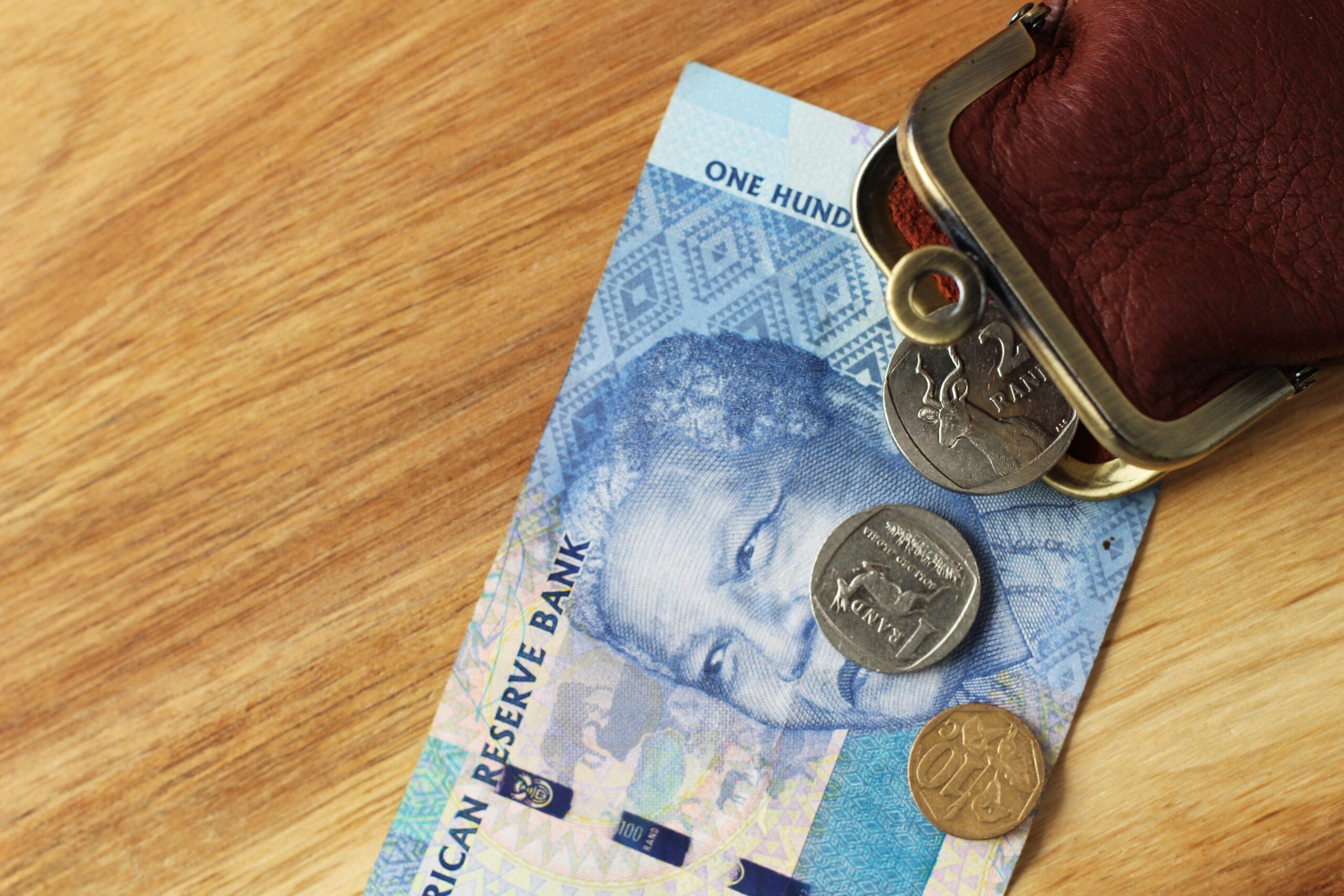
Loan Repayment Procedures and Requirements
Loan repayment terms determine when and how you pay back borrowed money. In South Africa, the National Credit Act regulates these terms to protect borrowers from unfair practices.
Every loan payment has three parts: the principal amount (money you borrowed), interest charges (cost of borrowing), and fees (initiation and monthly service charges). Most lenders set up automatic debit orders from your bank account on payday, which makes budgeting simpler.
Payment Collection Methods
All South African lenders use DebiCheck for collecting payments. This system requires your approval before any money gets debited from your account. You’ll get SMS notifications before each debit, and the money comes out on your payday.
Your loan must be paid into the same bank account where you receive your salary. The account needs to be active with major South African banks: Absa, FNB, Standard Bank, Nedbank, or Capitec.
Your Payment Options
| Payment Type | Loan Duration | Best For |
| Monthly Payments | 6-72 months | Personal loans, larger amounts |
| Single Payment | 7-30 days | Payday loans, quick cash |
| Flexible Terms | 2-6 months | Mid-range emergency loans |
Pay Early, Save Money
Paying off loans early reduces your total interest costs and improves your credit score for future borrowing. Building good payment history also increases your borrowing limits with lenders.
| Step | Action Required |
| 1. Contact Lender | Request settlement amount |
| 2. Get Quote | Obtain written settlement figure |
| 3. Check Fees | Confirm any early settlement charges |
| 4. Make Payment | Pay full settlement amount |
| 5. Get Confirmation | Request written confirmation of closure |
Some lenders charge early settlement fees, so always ask for the exact amount before paying.
When Payments Go Wrong
Miss your first payment and you’ll face an R60 service fee plus 5% monthly interest. The lender will send warning messages and mark your account as overdue.
- 30 Days Late: R60 service fee charged plus 5% monthly interest added to your outstanding balance. SMS and email reminders become more frequent, and your account status changes to “overdue” with the lender. You can still avoid serious damage by paying immediately.
- 60 Days Late: Your account gets handed over to external debt collection agencies. Collection agents start calling you and possibly family members, with additional collection fees added to your debt. Stress and harassment from debt collectors begins, making it much harder to negotiate payment arrangements.
- 90 Days Late: Credit bureaus receive notification of your default and negative listings appear on your credit report. Your credit score drops significantly (can take years to recover), other lenders can see your payment problems, and future loan applications are likely to be rejected.
- 120+ Days Late: Legal action may be taken against you with possible court summons for outstanding debt. If you lose in court, judgment goes against your name with possible garnishment of wages or bank accounts. Legal costs get added to your total debt amount.
The credit score damage hurts the most. Negative listings make it harder to qualify for future credit, and when you do qualify, you’ll pay higher interest rates. Some lenders might blacklist you entirely.
Smart Ways to Handle Repayments
Before borrowing anything, calculate your monthly income after tax and list all your fixed expenses. Make sure you have at least R1,000 left over after the loan payment for unexpected costs.
Shorter loan terms mean higher monthly payments but lower total costs. Longer terms reduce monthly pressure but cost more overall. Find the balance between what you can afford monthly and what makes sense financially.
Building good relationships with lenders pays off. Start with smaller amounts, never miss payments, and pay early when possible. Keep your contact details updated and wait 3-6 months between applications. This approach increases your borrowing limits over time.
Skip the Hassle with LoanHub24
Instead of dealing with lots of different lenders and trying to figure out confusing payment rules, LoanHub24 makes everything easy. Our loan matching service connects you with proper registered lenders who give you clear, simple payment plans that are easy to understand.
Complete one application and get multiple offers with transparent terms. All our lenders follow National Credit Act rules, so you won’t face hidden fees or surprise charges. You can compare repayment options side-by-side and pick terms that match your pay schedule.
What You Get:
- Clear Terms – Exact payment dates and amounts upfront
- Fair Rates – NCA-compliant pricing only
- Flexible Options – Choose terms that fit your budget
- Real Support – Proper customer service, not just WhatsApp
- Legal Protection – All lenders follow government rules
The process works like this: fill out one form, get multiple loan offers with clear repayment terms, compare your options, choose the best deal, and get your money from the selected lender. No downloading risky apps, no confusing contracts, no nasty surprises.



Leave a Reply